
EN | HR
← CHILD & ADOLESCENT PSYCHOTHERAPY
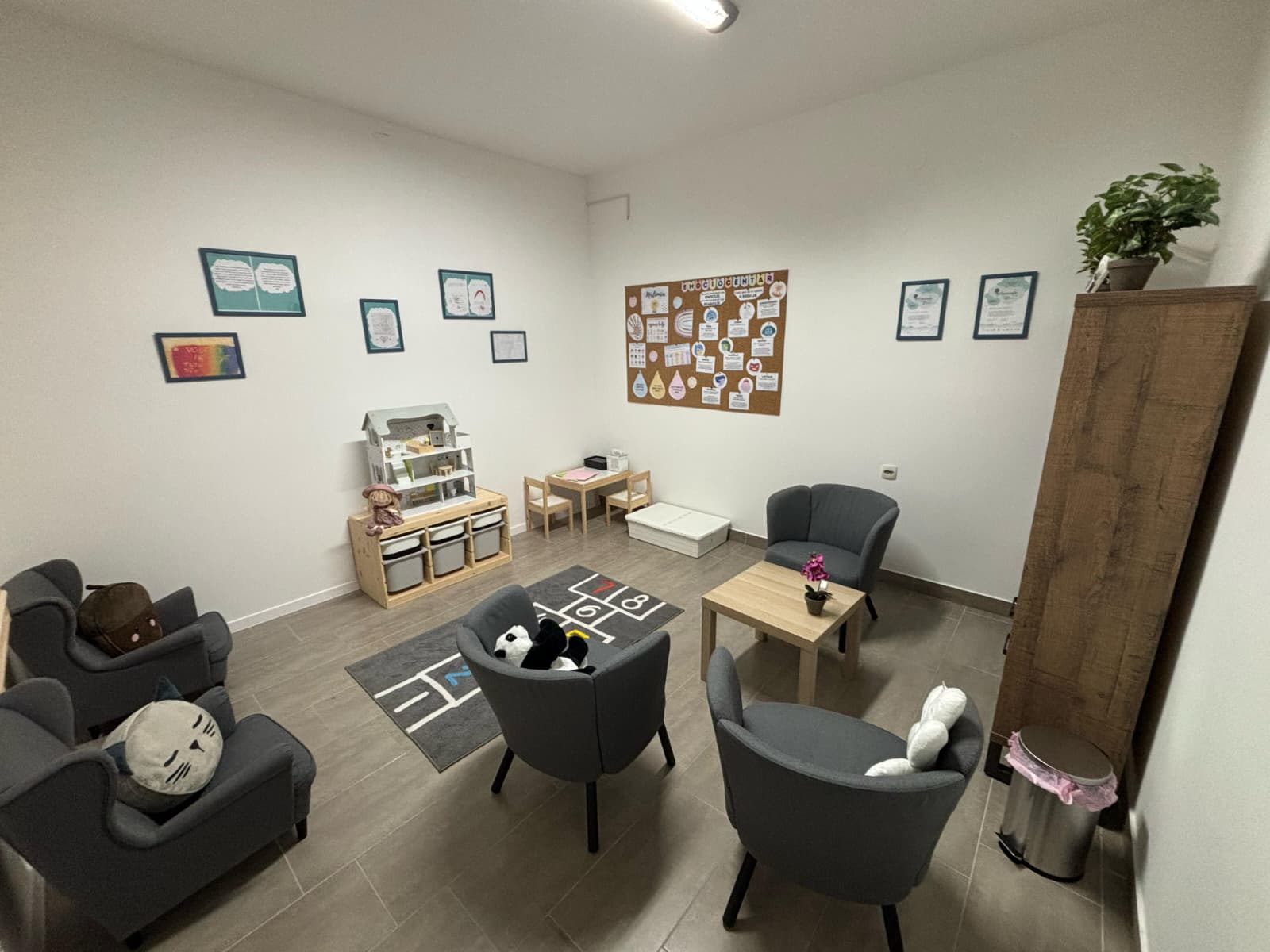
Lumos child and adolescent psychotherapy space

CARE · A PARENT'S GUIDE

When should you seek support?

Parents do not have to wait until difficulties become severe. Sometimes noticing that something has changed — and wanting to understand it better — is reason enough to start a conversation.

EXPERT INPUT · NIKOLINA ĐURIĆ LUMOS

START HERE

You do not need to have the answer first.

A conversation with a professional can help a parent get a clearer picture of what they are noticing in a child or adolescent. This guide covers when it may be useful to consider support, what a first meeting can look like and what parents can expect at the beginning of the process.

IMPORTANT Seeking a conversation does not mean that the problem is already serious or that you should have known what to do. The first step can simply be assessing the situation and discussing what might be helpful for your child.

01

When should you consider talking to a professional?

When a parent notices changes in a child's behaviour, mood, relationships or everyday functioning that persist, repeat or cause concern.

This may include withdrawal, increased anxiety, difficulties regulating emotions, relationship difficulties, school-related changes or major life changes.

NIKOLINA'S POINT Parents do not have to wait until difficulties become pronounced before seeking support.
02

What happens at the first meeting?

The first meeting is primarily an opportunity to get to know one another, talk about the reason for coming and begin creating a sense of safety.

It is important to get to know the child or adolescent, hear how they experience the situation and, together with the parents, develop a clearer picture of needs and expectations.

The child is not expected to tell everything immediately or to feel completely relaxed from the start.

03

Are parents involved?

Yes. Parents are an important part of the process, especially when working with younger children. The way and extent of their involvement are adapted to the child's age, needs and agreed goals.

With adolescents, particular attention is paid to trust, privacy and the gradual development of autonomy, while respecting the adolescent's safety and wellbeing.

04

How do you explain psychotherapy to a child?

Keep it simple, honest and non-threatening.

AN EXAMPLE “We're going to meet someone who talks with children and young people and helps them when something feels difficult or when they want to understand their feelings better.”

Avoid messages that suggest the child is going because they are naughty, problematic or need to be “fixed”.

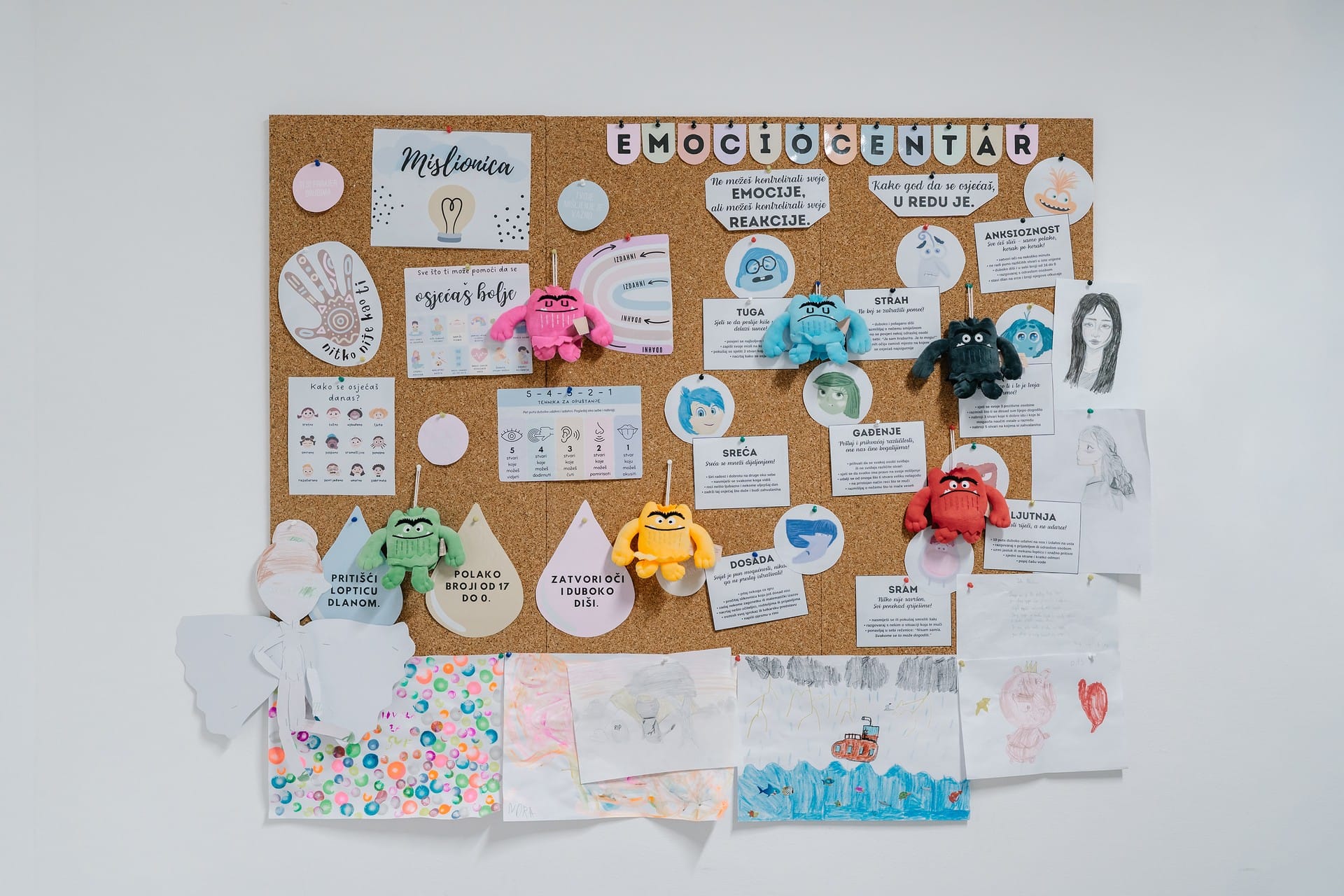
Emotion centre in the Lumos space
Understanding emotions can be one of the first steps towards understanding what a child is experiencing.

05

Does a child need to have a major problem?

No. Psychotherapy is not only for major crises. It can also be useful when a child or adolescent is going through a change, finds it difficult to express feelings, has relationship difficulties or needs a space to better understand themselves and what they are experiencing.

06

What can parents expect in the first meetings?

The first meetings are about getting to know one another, understanding the difficulties and creating a foundation for a trusting relationship. Change does not have to be immediate or instantly visible.

Parents can ask questions, share observations and discuss how they can work together in the child's best interests.

07

What if you only feel that something is not quite right?

You do not need to know in advance exactly what is happening or be certain that the issue requires psychotherapy.

If something worries you, a conversation with a professional can help you understand the situation better and assess what might be useful for your child.

TAKEAWAY You do not have to wait until things become very difficult before seeking support.

Before the first step

YOU DON'T HAVE TO WAIT FOR A CRISIS

You can seek support simply because you want to understand changes you have noticed.

THE FIRST MEETING IS AN INTRODUCTION

A child is not expected to say everything immediately or feel completely comfortable straight away.

PARENTS ARE PART OF THE PROCESS

Involvement is adapted to age, needs and the agreed goals of the work.

QUESTIONS ARE WELCOME

Parents can share observations openly and ask what may be useful for their child.

The first step can simply be a conversation.

You do not need a diagnosis, a finished plan or a complete explanation of what is happening. A question or concern that you want to understand better can be enough.

This guide was prepared with expert input from Nikolina Đurić, a child and adolescent integrative psychotherapist, social worker and owner of Lumos, a child and adolescent psychotherapy practice. The content is informational and does not replace an individual professional assessment.