
THE JOURNAL · COLUMNS · BEYOND WHAT WE SEE
A Child Can Do Well in Everything and Still Not Feel Well
About the feelings that grades, behaviour and everyday achievements do not always reveal.
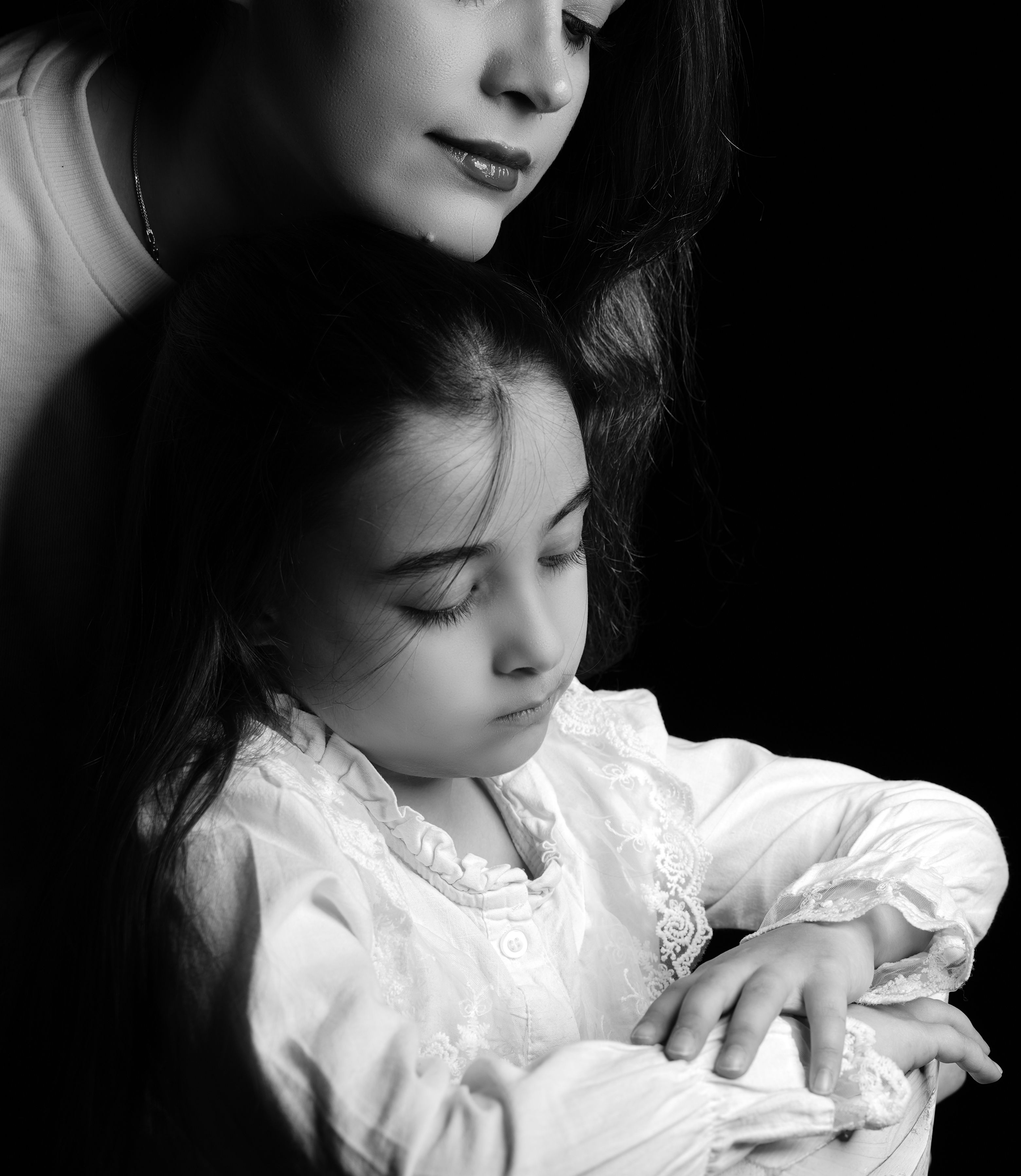
When we talk about children, we often use fairly simple criteria to assess whether everything is all right. A child goes to school, gets good grades, spends time with peers, listens to their parents, fulfils their responsibilities and does not cause problems. If most of these boxes are ticked, we tend to conclude that the child is doing well. But how much do these facts really tell us about their emotional world?
We cannot assess a child's mental health solely by looking at the behaviour we see. A child may be successful, socially active and seemingly happy, while at the same time struggling with feelings they do not know how to recognise, understand or share with others. They may laugh with friends, attend sports practice regularly and receive excellent grades, while experiencing deep insecurity, a fear of making mistakes or pressure to always be good enough.
What children cannot always put into words
Sometimes we forget that children do not always have the developed abilities needed to explain what is happening to them. An adult can often recognise that they are under stress, unhappy in a relationship or in need of support. A child may not know how to do that. Their inner experiences may be reflected in their behaviour, physical complaints, changes in mood, withdrawal, irritability or difficulties with everyday functioning. Sometimes a child will say that their stomach hurts before school; at other times, they will simply become quieter than usual. Some children become particularly sensitive to criticism, others try to keep everything under control, while others invest a great deal of energy in making sure nobody notices that they are struggling.
When achievement becomes pressure
It is especially important to understand that good grades are not necessarily an indicator of emotional well-being. Academic achievement may be driven by curiosity, motivation and enjoyment of learning, but sometimes also by fear of failure, perfectionism or a strong need for approval. A child who finds it difficult to cope with receiving a grade lower than the highest mark may not need further encouragement to achieve more, but rather the experience of knowing that their worth does not depend on the grade they received. The difference between a child who wants to succeed and a child who feels they must succeed can be enormous, even though their results may look identical from the outside.
A quiet child is not always a child without difficulties
The same applies to behaviour. A quiet child is not automatically a child who can regulate their emotions, just as a child who frequently becomes angry is not necessarily unable to control their behaviour. Emotional regulation does not mean the absence of unpleasant feelings and reactions. It involves gradually developing the ability to recognise, understand and express emotions and to find ways of coping with them. A child who never shows anger may indeed have a calmer temperament, but they may also not yet know how to express disagreement or may be afraid of how others will react. It is important to look at the bigger picture rather than draw conclusions from a single behaviour.
Adults sometimes particularly value children who are independent, adaptable and do not ask for much. Of course, developing independence is important, but so is knowing how to ask for help, lean on someone else and show vulnerability. A child should not feel that they must be able to manage everything alone. Equally, cooperation should not mean that a child must always agree to what adults expect. As children grow, it is important for them to develop the ability to stand up for themselves, express their own opinions and set boundaries while respecting other people.
Surrounded by friends, yet still lonely
Another common misconception is that a child who has friends and a social circle has no reason to feel lonely. However, the number of friends and the amount of time spent with peers do not necessarily tell us about the quality of those relationships. A child can be surrounded by people and still feel that nobody truly understands them, that they do not belong or that they cannot be their authentic self in their relationships. Connection is not simply about the presence of others, but also about feeling accepted and safe within a relationship.
Not every change means something is wrong
I am not writing this to suggest that we should start looking for difficulties in every aspect of a child's behaviour or worry about every change in mood. Childhood is a developmental period marked by change, frustration, conflict and learning. Not every sadness is depression, not every expression of anger signals a serious difficulty, and not every instance of withdrawal is a cause for concern. What matters is considering the duration, intensity, frequency and impact of certain changes on the child's life, while also trying to understand what is happening in the wider context of their development.
From asking about results to asking about feelings
What we can do as adults is stop focusing exclusively on outcomes and behaviour and start asking questions about the child's experience. Not only how school went, but how they felt there. Not only whether they completed all their tasks, but whether anything was difficult for them today. Not only who they spent time with, but whether they feel accepted among their peers. And we do not always need to have an answer, advice or a solution. Sometimes what a child needs most is the experience of being listened to without having their feelings minimised and without someone immediately trying to change them.
Psychotherapy can be one of the spaces in which a child or adolescent gradually develops a better understanding of their own emotions, relationships and experiences. There is no need to wait until difficulties become severe or everyday functioning is seriously affected before seeking support. Sometimes talking to a professional can also help a parent better understand what they are noticing, assess their child's needs and find an appropriate way to provide support.
How does a child feel in their own life?
Perhaps it is time to change the way we assess how our children are doing. Alongside asking whether they are successful, polite, independent and well-adjusted, perhaps we should start asking some different questions. Do they feel safe? Do they know they are allowed to make mistakes? Can they tell us when things are difficult? Do they feel understood, even when we do not understand their behaviour?
A child should not have to prove that they are struggling in order to be heard. And the fact that we have no problems with a child does not necessarily mean that we know how that child feels.
Perhaps the most important question we can ask is not whether we have a good child, but whether our child feels good in their own life.

COLUMN AUTHOR
Nikolina Đurić
In this column, Nikolina writes about children's emotional experiences, relationships and the importance of understanding what is not always visible.
MEET THE AUTHOR →